
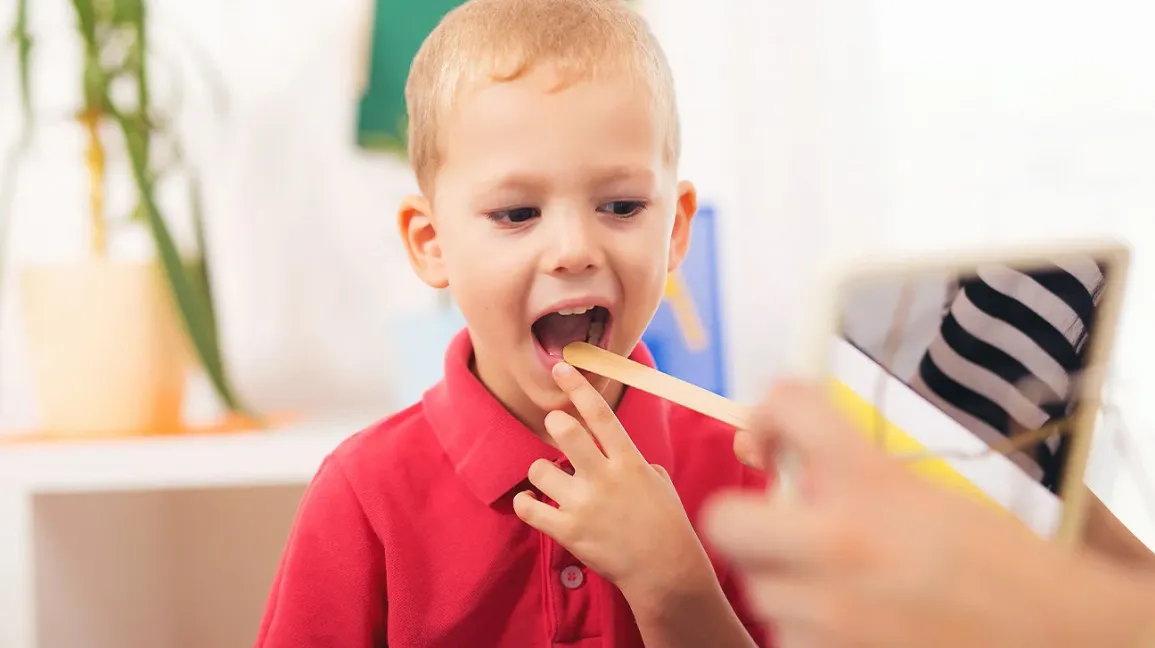
Every child deserves to be heard and understood. For many parents, the toddler years bring an exciting stretch of new words, funny mispronunciations, and the first real conversations with your little one. But for some families, this stage also brings quiet worry. Maybe your toddler isn’t talking as much as their older sibling did at the same age, or maybe you’ve noticed they seem frustrated when they can’t get their point across. If that sounds familiar, you’re not alone, and you’re not overreacting by paying attention to it.
Speech and language development doesn’t follow an identical path for every child, but there are general patterns that help parents and therapists know when a closer look is worthwhile. This guide walks through what typical toddler speech development looks like, the signs that may point to a delay, and what you can expect if your child begins pediatric speech therapy.
Why the Toddler Years Matter So Much
The first few years of life are when the brain is building the foundation for language at an incredible pace. Toddlers are learning to connect sounds to meaning, string words into sentences, and use communication to get their needs met and connect with the people around them. Because so much growth happens in a short window, early intervention during this stage can make a meaningful difference in how quickly and confidently a child catches up.
This doesn’t mean every toddler who talks a little later than expected needs therapy. Plenty of children are simply late bloomers who catch up on their own. What it does mean is that noticing early, and getting a professional opinion when something feels off, gives your child the best possible head start. If you’re not sure whether it’s time to reach out, our post on when to seek speech therapy can help you think through it.
A General Timeline for Toddler Speech Development
Every child grows at their own pace, but pediatric speech-language pathologists often look for these general milestones:
- By 12 months: babbling with changing sounds, attempting one or two words like “mama” or “dada”
- By 18 months: using a handful of words, understanding simple instructions, pointing to communicate
- By 24 months: combining two words together (“more juice,” “go outside”), having a vocabulary of 50 or more words
- By 30 months: using short phrases and sentences, being understood by familiar adults most of the time
- By 36 months: speaking in longer sentences, being understood by unfamiliar listeners most of the time, asking questions
These are general guideposts, not strict rules. Some toddlers hit these milestones a little early, and some take a bit longer. What matters most is the overall pattern of growth over time, not a single missed milestone.
Signs That May Point to a Speech or Language Delay
Parents are usually the first to notice when something feels different about their child’s communication. Some signs worth paying attention to include:
- Little to no babbling by 12 months
- No first words by 18 months
- A vocabulary of fewer than 50 words, or no two-word phrases, by age 2
- Difficulty being understood by familiar adults by age 3
- Frustration or tantrums that seem connected to trouble communicating
- Loss of words or skills your child previously had
- Limited eye contact or interest in back-and-forth interaction
If several of these sound familiar, it doesn’t automatically mean something is wrong, but it is a good reason to have your child evaluated by a speech-language pathologist. An evaluation is simply information. It either offers reassurance or gives you a clear plan for support, and either outcome is helpful.
What to Expect During a Speech Therapy Evaluation
If you decide to move forward with an evaluation, here’s what the process generally looks like.
Initial Conversation
A speech-language pathologist will talk with you about your child’s development, your concerns, and their communication at home, at daycare, or in other settings.
Play-Based Assessment
For toddlers, evaluations are almost always play-based rather than sit-down testing. Your child will be invited to play, talk, and interact naturally while the therapist observes sounds, vocabulary, understanding, and social communication.
Personalized Recommendations
Afterward, the therapist will share what they observed and recommend next steps, whether that means starting therapy, continuing to monitor development, or trying specific strategies at home first. Our post on what to expect at your child’s first pediatric therapy evaluation walks through this process in more detail.
What Speech Therapy Sessions Look Like for Toddlers
Speech therapy for a toddler doesn’t look like sitting at a desk. Sessions are built around play, because play is how young children naturally learn and communicate. A therapist might use toys, books, songs, or games to encourage your toddler to imitate sounds, request items, follow directions, or take turns in conversation.
Parents are typically an active part of the process too. Therapists often coach caregivers on strategies to use during everyday routines, like meal time, bath time, or car rides, so that progress made in a session carries over into daily life. This kind of consistency between therapy and home is often what helps children make the most progress.
How Long Does Speech Therapy Take?
There’s no single answer, since every child’s needs are different. Some toddlers make quick progress in a matter of months, especially when a delay is mild and caught early. Others benefit from ongoing support over a longer period, particularly if there are other developmental factors involved. A speech-language pathologist can give you a better sense of expected timelines once they’ve had a chance to evaluate your child directly.
Trust Your Instincts as a Parent
If you’ve been quietly wondering whether your toddler’s speech is on track, that instinct is worth listening to. You know your child better than anyone, and noticing a pattern over time is exactly the kind of observation that helps a speech-language pathologist get a clear picture. Whether the outcome is reassurance or a plan for support, getting an evaluation is a proactive step, not an overreaction.
At Strides Pediatric Therapy, we provide pediatric speech therapy in Utah designed to meet toddlers exactly where they are, using play, patience, and evidence-based strategies to help them build confidence in communication. If you have questions or concerns about your toddler’s speech development, contact our team and we’ll help you figure out the best next step for your child.
Frequently Asked Questions
When should a toddler be evaluated for speech therapy?
Schedule an evaluation if your toddler has no first words by 18 months, fewer than 50 words or no two-word phrases by age 2, or remains hard for familiar adults to understand by age 3. Losing words or skills your child previously had is also a reason to call right away.
How many words should a 2-year-old say?
Most 2-year-olds use 50 or more words and have started combining two words, such as “more juice” or “go outside.” By 30 months, toddlers typically speak in short phrases that familiar adults understand most of the time.
What happens at a toddler speech evaluation?
A speech-language pathologist talks with you about your child’s development, then observes your toddler during play to assess sounds, vocabulary, understanding, and social communication. Afterward, the therapist recommends next steps, which may include therapy, continued monitoring, or strategies to try at home.
How long does speech therapy take for a toddler?
It depends on the child. Toddlers with mild delays caught early often make strong progress within a few months, while children with other developmental factors may need support over a longer period.
What does speech therapy look like for a toddler?
Toddler speech therapy looks like play. Therapists use toys, books, songs, and games to encourage imitation, requesting, and turn-taking, and they coach parents on strategies to use during meals, bath time, and car rides.