
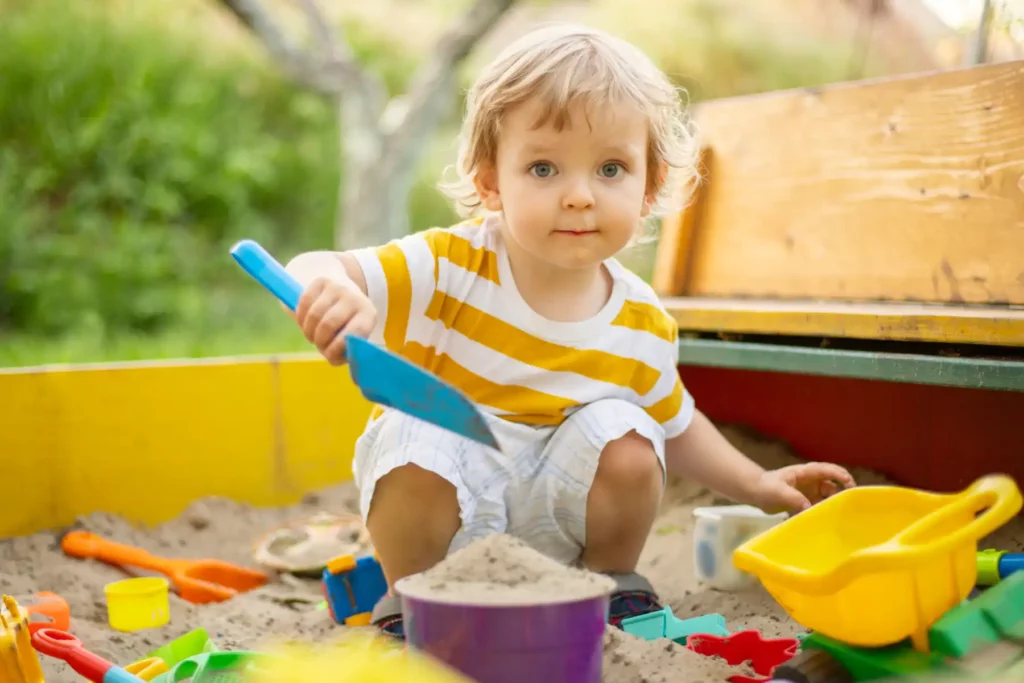
Play is how children learn. It is how they develop physically, cognitively, socially, and emotionally. Recreational therapy takes that truth and builds a structured, evidence-based therapeutic framework around it, using meaningful activities to help children with disabilities or health challenges improve their quality of life, build independence, and develop skills that carry into every area of their day.
If you’ve heard of recreational therapy but aren’t quite sure what it involves or who it’s for, this post is a comprehensive look at the discipline and why it can be such a powerful component of a child’s overall care.
What Is Recreational Therapy?
Recreational therapy, also called therapeutic recreation, is a clinical health profession that uses recreational and leisure activities as the medium for treatment. This is not simply “fun time” for children, though it does involve enjoyable activities. It is purposeful, goal-directed intervention designed to address specific therapeutic objectives.
A certified therapeutic recreation specialist (CTRS) assesses a child’s needs, interests, and abilities, then designs a program of activities targeted at improving physical, cognitive, emotional, and social functioning. The activities might include arts and crafts, games, sports, music, drama, nature activities, horseback interaction, and much more.
At Strides Pediatric Therapy, our pediatric recreational therapy program is tailored to each child, with goals that are meaningful to the child and family. We use both traditional and equine-assisted approaches, leveraging our unique facility to deliver care that children are genuinely excited to show up for.
Who Can Benefit from Recreational Therapy?
Recreational therapy is appropriate for children with a wide range of diagnoses and challenges, including:
- Autism spectrum disorder
- ADHD
- Intellectual disabilities
- Physical disabilities and chronic health conditions
- Traumatic brain injury
- Mental health conditions including anxiety and depression
- Developmental delays
- Sensory processing disorders
Children do not need a specific diagnosis to participate. If a child would benefit from building skills in a structured, activity-based environment, recreational therapy is worth exploring.
Core Benefits of Recreational Therapy
Physical Development and Health
Many children with disabilities have limited opportunities for physical activity that is appropriately adapted to their abilities. Recreational therapy addresses this by designing activities that build strength, endurance, coordination, balance, and gross motor skills in a way that is achievable and engaging for each child.
This physical development is not separate from the therapeutic goals; it is woven into them. A child working on balance might practice it through a movement-based game that is also building their confidence and social skills at the same time. Our physical wellness goals complement those of the pediatric physical therapy team, and the two services often work hand-in-hand.
Emotional Regulation and Mental Health
Activity and play are powerful regulators of the nervous system. Recreational therapy provides children with opportunities to experience success, manage frustration, and practice emotional self-regulation within a supportive environment.
For children who struggle with anxiety, depression, or behavioral dysregulation, the structure and engagement of recreational therapy can provide both relief and skill-building. Therapists intentionally create situations where children can practice managing difficult emotions and develop coping strategies in real time.
Social Skills and Peer Connection
Many of the activities used in recreational therapy naturally involve social interaction: taking turns, cooperating, communicating, negotiating, and celebrating together. For children who struggle in unstructured social settings, the recreational therapy context provides a scaffolded environment where social skills can be practiced safely.
Group recreational therapy sessions can be particularly valuable for children who need to build confidence in peer settings before facing the demands of school or community activities.
Leisure Education and Community Integration
One of the unique goals of recreational therapy is to help children and families identify leisure activities that are accessible, enjoyable, and sustainable in the real world. This might mean exploring adapted sports, community recreation programs, or other activities that fit the child’s abilities and interests.
The vision is not just for a child to improve in the clinic, but to build a life outside the clinic that includes meaningful, joyful engagement with activities they love. This connects deeply to our broader mission at Strides: helping children make strides toward an independent and enriched life.
Cognitive Skill Building
Recreational activities naturally engage cognitive skills like attention, memory, problem-solving, planning, and sequencing. Recreational therapists select and adapt activities to target these areas in ways that feel natural and motivating to children.
For children with ADHD or cognitive challenges, the high engagement of recreational therapy can make it easier to practice skills that would be harder to work on in a purely academic or clinical setting.
How Recreational Therapy Fits into a Full Plan of Care
Recreational therapy is most powerful when it is part of a comprehensive approach to a child’s development. At Strides, it integrates naturally with our other services. A child might be working on fine motor skills in occupational therapy, communication in speech therapy, and social confidence and physical activity in recreational therapy, all simultaneously.
Our multidisciplinary team communicates and coordinates, so the goals across disciplines reinforce each other and your child’s progress compounds across every area of their development.
What a Recreational Therapy Session Looks Like at Strides
Sessions are individualized and may take place in our traditional therapy spaces or in our equestrian facility. Activities are chosen based on the child’s therapeutic goals and interests, and the therapist adjusts the challenge level and structure based on the child’s response.
Parents are kept informed of goals and progress, and therapists often provide guidance on how to continue supporting skill development at home and in the community.
Ready to Learn More?
Recreational therapy is a joyful, effective way to help children build the skills they need to live full, engaged lives. If you’re curious about whether it’s the right fit for your child, we’d love to talk.
Contact us to schedule a consultation or learn more about our recreational therapy program. And if you’re interested in the equestrian side of what we offer, check out our adaptive riding program for more information.