
Learn About Strides Pediatric Therapy's Services
Located in Eagle Mountain, Utah
Occupational Therapy
The pediatric occupational therapist (OT), through the use of purposeful activities and play, assists children in reaching their optimal level of independence in all areas of their daily living. Occupations for a child may include: play, social interaction, self-care (feeding, dressing, bathing etc), and learning and engaging with their environment. The OT strives to create a ‘just right challenge’ to engage the child in new skill development and/or to strengthen underlying skill sets. They work to ensure the child is functioning at their highest potential while maintaining a child centered, engaging and purposeful environment.
When Does My Child Need OT?
OT is often recommended when there is a delay in fine motor skills, sensory processing concerns, visual perceptual concerns, or when there is difficulty related to age appropriate self-care performance. These delays or concerns can often be related to conditions such as Down Syndrome, Autism, ADHD, Traumatic Brain Injury, Cerebral Palsy, and other related disorders but can also occur without any diagnosis or condition present. Our therapists are available to evaluate your child to determine if they are appropriate for OT and to create a treatment plan that fits your child’s needs.
Pediatric Physical Therapy
The pediatric physical therapist (PT) focuses on the child’s ability for independence and participation in daily activities within their environments (home, school, playground, etc.) related to motor and coordination skills. They often work with children who have injuries or conditions that impact their motor function and control. In addition to motor function, they can also address orthopedic and neurological developmental concerns as well as pain management.
When Does My Child Need PT?
PT is often helpful for a child when there is a movement disorder or motor skill delay that is impacting their daily life and independence. These delays can be related to a variety of disorders such as Cerebral Palsy, Down Syndrome, Autism, Muscular Dystrophy, Spina Bifida, Cancer, Traumatic Brain Injury, and other related disorders. Pediatric PT can also be necessary for children who have abnormal muscle tone, developmental delays, coordination delays, toe walking, vestibular/balance issues, and other orthopedic issues such as joint/back pain that are not specifically related to a disorder or diagnosis. Torticollis and plagiocephaly in infants can also be treated by a pediatric physical therapist. Our therapists are available to evaluate your child to determine if they are appropriate for PT and create a treatment plan that fits your child’s needs.
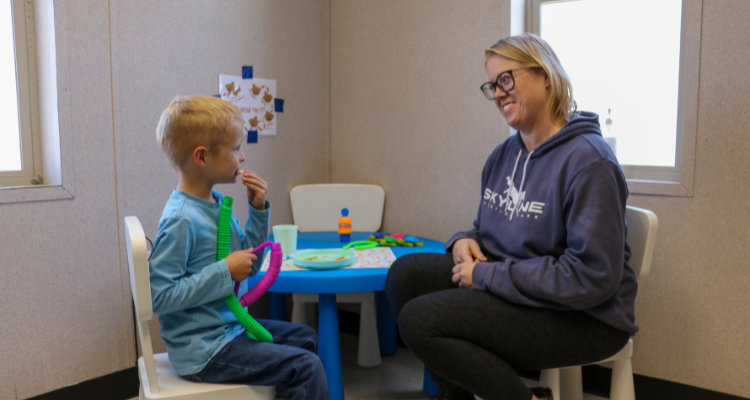
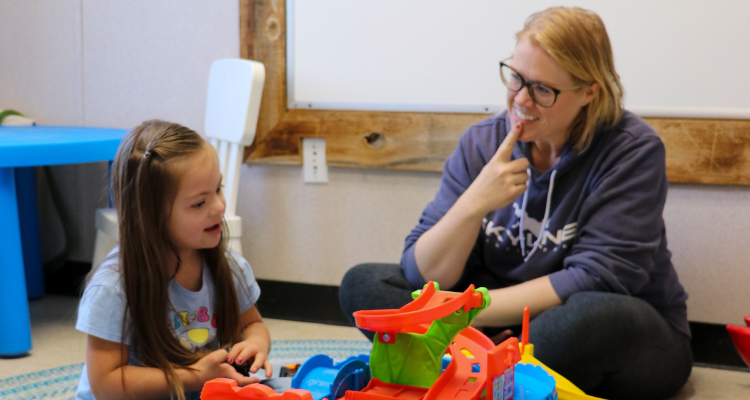
Pediatric Speech Therapy
When Does My Child Need Speech Therapy?
Pediatric Mental Health Therapy
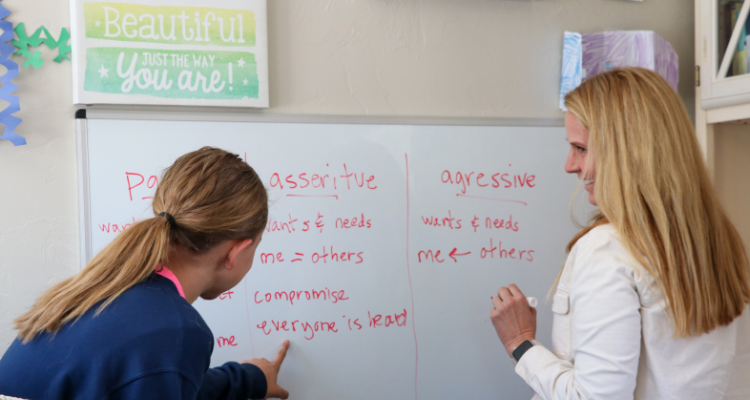
Strides offers individual therapy sessions, family therapy sessions, and parent and family member support group sessions to provide support for dealing with many difficulties. Our individual and family sessions address any concerns or difficulties your child and your family may be experiencing. Our group sessions are designed not only to help you process the experience of having a loved one with a disability, but also to create a community that members can turn to for support, both at and away from Strides.
Who Can Benefit from Mental Health Therapy?
Psychotherapy can be beneficial for just about anyone at any time. It is not just for people with mental health issues, but can be beneficial for anyone who is dealing with stresses and difficulties in their life. Benefits of therapy include improvements in coping skills, mood, behavior, relationships, family dynamics, and much more. If you, your child, your spouse, or your family are struggling with symptoms such as depressed or anxious mood, attention or hyperactivity issues, apathy, temper issues, behavioral issues, academic issues, interpersonal issues, relationship issues, personality changes, or other issues related to mood and behavior, it will be beneficial to seek the help of a psychotherapist. Our therapists are available for initial sessions to see if pediatric therapy is right for you.
Pediatric Recreational Therapy
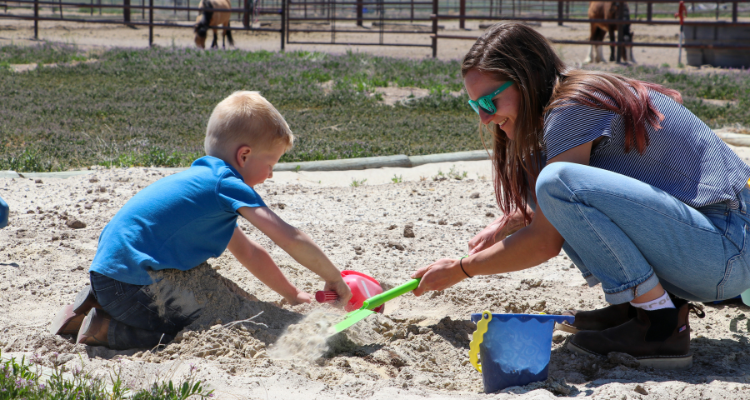
The pediatric recreational therapist (RT) focuses on developing greater independence in your child’s skills, knowledge, and abilities while seeking greater health and wellness. The door is wide open to the recreational and activity possibilities utilized to support in your child’s goal attainment, whether in group or individualized sessions. The RT focuses on the individual using recreational and activity centered interventions as tools to improve their well-being and overall quality of life. Interventions are chosen based on the individual’s strengths and areas of limitation, their goals and their objectives. By incorporating recreation, activities, and your child’s own interests or hobbies into each therapy session, the goal is to achieve outcomes that can transfer to their real life.
Adaptive Riding
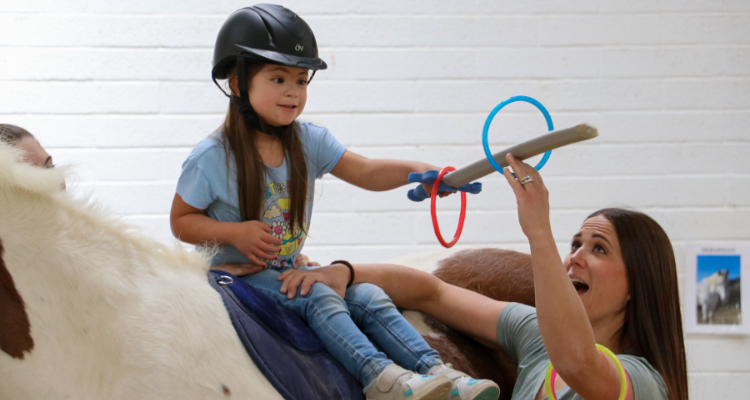
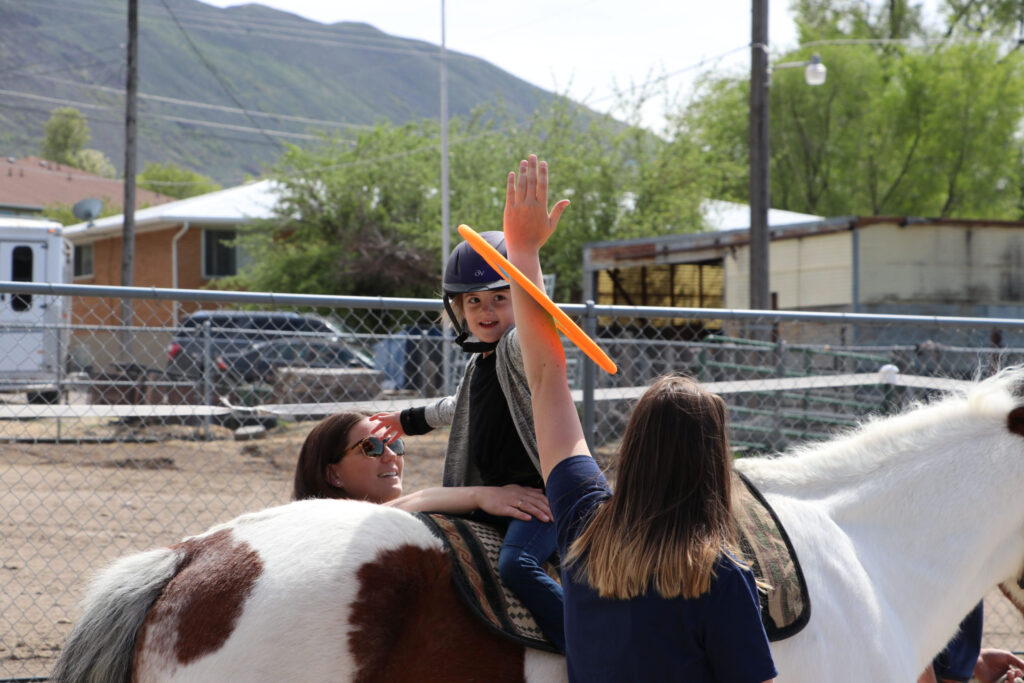
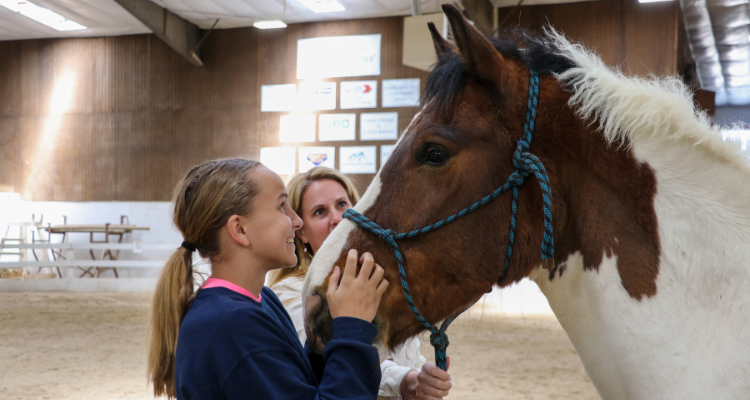
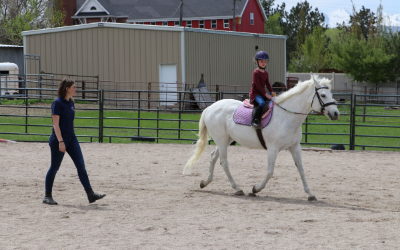
Adaptive riding (often referred to as therapeutic riding) is a horsemanship program that is adapted for a rider with a disability or challenge. The sessions are conducted under the supervision of an experienced instructor who has obtained specialized training and certification. They are trained to adapt the environment, equipment, teaching style/interactions, and physical demands in order to allow the participant to develop riding skills while participating in an activity they enjoy, and experiencing all of the benefits that riding and a relationship with a horse have to offer! At Strides, our adaptive riding is run by a PATH certified therapeutic riding instructor who is also a state and nationally licensed recreational therapist, bringing in the added benefits of RT in addition to the benefits of adaptive riding.
Feeding Therapy
Feeding challenges can turn mealtimes into a daily source of frustration for families, especially when a child struggles with textures, chewing, swallowing, or trying new foods. Our therapists support children by identifying the developmental, sensory, or medical reasons behind these difficulties and creating personalized therapy plans that build confidence and comfort at the table. We work closely with parents to foster a positive mealtime environment while helping children strengthen oral motor skills, explore textures safely, and overcome anxiety around eating. Through a collaborative approach that may include occupational therapy, speech therapy, and mental health therapy, children receive support that addresses both the physical and emotional aspects of eating.