
Pediatric Physical Therapy in Utah
Helping Children Across Utah Move, Grow, and Participate in Daily Life
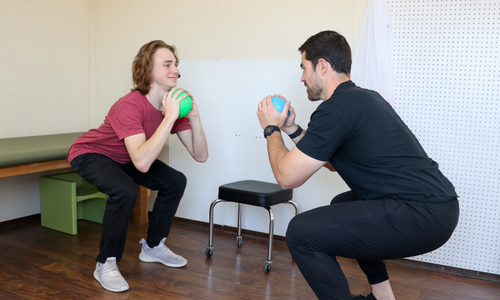
At Strides Pediatric Therapy, we know movement is more than just physical. It’s how children connect, explore, play, and grow. From those first wobbly steps to chasing friends on the playground, every milestone matters. And when movement doesn’t come easily, it can chip away at confidence and joy.
Our pediatric physical therapy services are designed to meet children where they are, not where a chart says they should be. Whether it’s building strength, improving coordination, or just making movement feel a little more natural, we help kids take meaningful steps forward.
Progress might be slow some days. But with support, it’s always steady.
And over time? It adds up in confidence, comfort, and the freedom to just be a kid.
What Is Pediatric Physical Therapy?
Pediatric physical therapy focuses on helping children develop the strength, balance, coordination, and mobility needed for daily movement and physical participation. This includes skills such as sitting, standing, walking, running, climbing stairs, jumping, and navigating different environments safely.
Physical therapy is not about pushing children beyond their limits. It is about understanding how each child moves, identifying areas of need, and using guided, supportive activities to encourage progress. Through gross motor development for children, physical therapy helps build a strong foundation for independence, confidence, and lifelong movement.
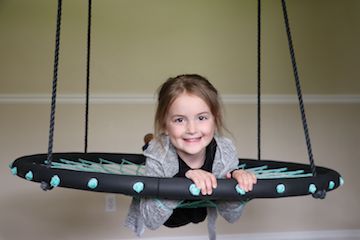
Why Physical Therapy is Important for Growing Children
Movement supports learning, independence, and participation. When children experience movement challenges, it may affect their comfort or willingness to engage in play or school activities.
Pediatric physical therapy helps children:
- Move more efficiently and safely
- Build strength for everyday activities
- Improve coordination and balance
- Increase endurance for play and participation
- Feel more comfortable and capable during movement
Early support can help prevent small challenges from becoming bigger barriers as children grow.
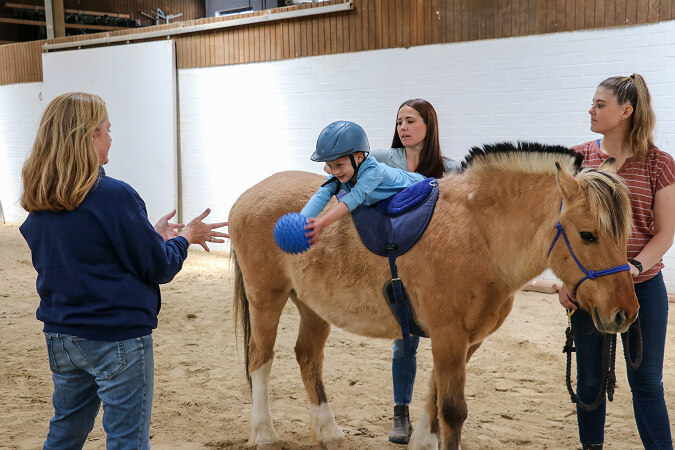
Common Physical Challenges
Gross Motor Development Delays
Torticollis and Head Positioning
Strength and Mobility Challenges
Balance and Coordination Difficulties
Gait and Movement Pattern Concerns
Recovery and Rehabilitation
Our Physical Therapy Methodology
Once we understand your child’s needs, our physical therapists use hands-on, evidence-based strategies that make therapy feel real and relevant. Each session is purposeful, engaging, and built around your child’s goals. As part of our PT services for children across the state, we tailor every plan to support growth, mobility, and confident participation in daily life.
Physical therapy treatment services may include:
- Hands-on mobility, strength, and coordination treatment tailored to your child’s development
- Movement and gait training to support safe and efficient walking and transitions
- Gross motor skill development through play-based and functional activities
- Balance and postural control exercises to improve stability and confidence
- Family-guided home strategies to support progress outside the clinic
- Kinesiotaping that helps your child move more comfortably, improves muscle and joint awareness, and complements therapy and home strategies to build strength, coordination, and confidence.
- Total Motion Release (TMR or TMR Tots): Play-based activities that support foundational reflexes, gross motor development, coordination, and confidence in toddlers
We also provide pediatric rehabilitation in Utah for children needing short or long-term mobility support or recovery after injury, surgery, or medical conditions.
Hands-On Mobility, Strength, and Coordination Treatment Services
Physical therapy sessions at Strides Pediatric Therapy are active and engaging.
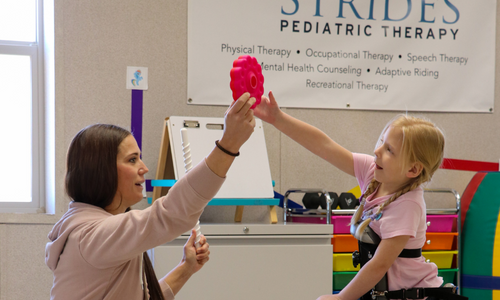
Treatment may include:
- Strength and mobility therapy to support safe movement
- Balance and coordination activities
- Movement and gait training
- Functional play-based exercises
- Stretching and posture support
- Endurance-building activities
- Heat, Ice, Transcutaneous Electrical Nerve Stimulation (TENS), or Kinesotaping
How Physical Therapy Helps Utah Families Seeking Short or Long-Term Support
As children grow, their physical needs change, new environments, expectations, and activities bring new challenges. Physical therapy gives families consistent support through these transitions, helping children build on their progress rather than starting over at each stage.
For families seeking ongoing therapy, short or long-term care means:
- Continuity with a therapist who understands the child’s history
- Steady progression of goals as movement skills evolve
- Adjustments that reflect growth, school demands, and daily routines
- Guidance during developmental changes, recovery periods, or medical follow-up
This type of support allows families to plan ahead, monitor progress over time, and adapt strategies as their child’s needs shift. For many Utah families, physical therapy provides reassurance and stability while supporting measurable progress without rushing or placing unrealistic expectations on the child. At Strides, we graduate children from therapy when they and their families are ready, not based on any outside schedule.
What to Expect at Your Child’s First Appointment
Your child’s physical therapy journey begins with an evaluation designed to understand how they move, where they may need support, and how therapy can fit into everyday routines. The evaluation is relaxed, child-friendly, and focused on getting an accurate picture, not on perfection.
During the evaluation, parents can expect:
- A conversation about medical history, developmental milestones, and daily activities
- Observation of movement patterns such as balance, gait, posture, and coordination
- Play-based activities that allow the therapist to assess strength and mobility in a natural way
- Standardized assessments that provide objective, evidence-based measures that help ensure insurance coverage, and allow physical therapists assess a child’s abilities, track progress over time, and guide individualized treatment planning
- Discussion of family priorities and goals
- Recommended therapy frequency and next steps
Families are encouraged to ask questions and share concerns throughout the process. The purpose of the evaluation is to understand the child, not to judge their abilities, so that therapy can be tailored to support meaningful progress over time.
Get the Support Your Child Needs to Move Forward