
Pediatric Mental Health Therapy in Utah
Pediatric Mental Health and Behavioral Therapy in Utah
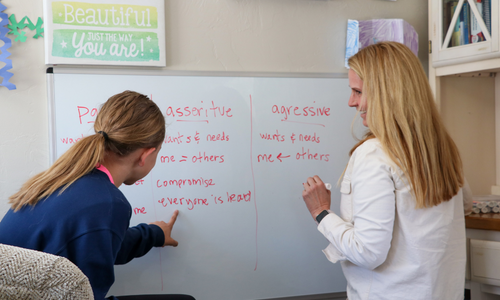
Childhood and adolescence come with rapid growth, big emotions, and new expectations at home, in school, and in social settings. When those emotions start to feel overwhelming or behavior becomes hard to manage, families often begin to feel unsure or exhausted. Pediatric mental health therapy offers children and families a place to understand their feelings, learn coping strategies, and develop healthier patterns so they can participate more confidently at home, in school, and in their communities.
At Strides Pediatric Therapy, we provide mental health therapy in Eagle Mountain and across Utah, designed specifically for toddlers, children and teens. Our approach is gentle, developmentally appropriate, and grounded in emotional wellness, behavioral support, and family education and involvement. With evidence-based strategies and family support, we help children navigate challenges such as anxiety, depression, ADHD, trauma, anger, and behavior concerns in a safe and supportive environment where they feel heard and understood.
Why Mental Health Support Matters for Youth
Children and teens feel stress and pressure just like adults, but they often don’t have the words to explain it or the skills to manage it. Instead of saying, “I’m anxious,” a child may cling more tightly at home, avoid school, struggle to sleep, or act out when routines change. These responses are not signs of a child being “difficult,” they are signs that something inside feels too big to handle alone.
Without the right support for anxiety, depression, ADHD, and behavioral challenges, children may start to believe their emotions are wrong. Confidence may fade, relationships may feel harder, and school may become more overwhelming. But when a child has a safe place to explore, understand, and manage their emotions, things begin to shift. They learn that feelings are not something to fear or hide, they’re signals that can be understood and managed.
Pediatric mental health therapy teaches children skills that last. These can include:
- Coping tools for everyday stress
- Strategies to manage anger, sadness, or fear
- Confidence in communication
- Interpersonal skills including social skills and managing conflict
- Stronger self-esteem
- Resilience for future challenges

Common Emotional and Behavioral Challenges Supported
At Strides Pediatric Therapy, we provide mental health therapy for a wide range of emotional, behavioral, and developmental concerns that impact children and adolescents in everyday life.
Some children struggle with anxiety that affects sleep, focus, or social interactions. Others may show signs of depression, such as low mood, irritability, or withdrawal from activities they once enjoyed. These emotional challenges are real and often go unnoticed until they start to affect school, home, or relationships.
We also support children facing:
- Attention and focus challenges, including ADHD
- Organizational and executive functioning challenges and time management
- Specific phobias or anxiety such as separation or animals
- Toileting challenges such as refusing to use the toilet, inappropriate toileting behaviors, regressions in potty training, accidents, withholding
- Trauma and trauma responses, including medical trauma and chronic illnesses
- Low independent play skills or trouble engaging in play without screens
- Autism and related challenges
- Dealing with a disability or difference
- Issues with defiance, following directions, being respectful of authority figures
- Family conflict including sibling interactions
- Behavioral challenges at school or daycare, including refusal
- Low self-esteem, negative self -talk, perfectionism, challenges with losing
- Rigid thinking or play styles
- ARFID
- Emotional outbursts, intense emotional responses, or shutdowns
- Behavior changes from stress or transitions
- Peer difficulties, challenges making and keeping friends, bullying (target or aggressor), and social anxiety
- Frustration and low coping skills
- Parenting support and skill
Many children can’t explain what they’re feeling, they just know something feels off. Emotional regulation support for children helps them recognize emotions, understand their triggers, and respond in healthier ways.
We also provide trauma-informed therapy in Utah for children processing grief, medical stress, bullying, family changes, or other difficult experiences. Even when the cause isn’t clear, the impact can be real and we’re here to help them feel safe, supported, and equipped to move forward.
Therapy Methods Used at Strides Pediatric Therapy
Our mental health therapists use evidence-based, developmentally sensitive, and trauma-informed practices. While we do offer traditional talk therapy when desired and appropriate, the majority of what we do here is play and experiential based, making our services accessible to all children and teens. If you have tried therapy before, and your child struggled to open up or make progress, we highly encourage you to try our different approach! We prioritize safety, trust, and rapport. Therapy may include cognitive-behavioral strategies, dialectical behavioral therapy, behavioral interventions, mindfulness, coping skills, or family-focused interventions that strengthen communication and routines.
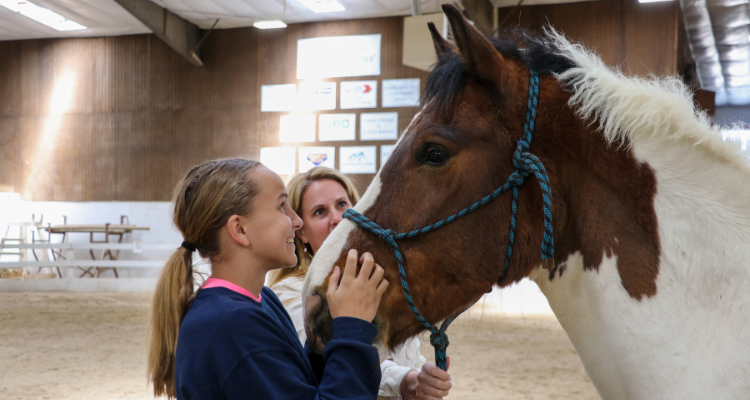
Children communicate differently across ages. Younger children may express themselves through play, movement, or storytelling when words are difficult to find. Teens may prefer conversation, journaling, or goal-oriented sessions. We adapt to each child rather than asking them to adapt to us. We offer equine assisted therapy to kids of all ages to build self-awareness, communication skills, and trust in a calm, supportive environment—while engaging in a therapeutic experience that feels meaningful and motivating rather than clinical.
Parents and caregivers are never left out of the process. We share strategies that can carry into daily life or routines, homework frustration, transitions, and emotional regulation. Mental health therapy doesn’t replace parenting; it strengthens it by giving families shared tools and language and parents the skills and confidence to respond to their child in a way that is supportive and guiding.
How Therapy Supports Parents and Family Systems
When a child struggles emotionally, the entire family feels it. Siblings may react to stress; parents may feel overwhelmed or unsure of how to respond. Our approach acknowledges that mental health is not isolated. It exists within relationships, routines, and systems that surround a child.
We help families:
- Understand emotional triggers and patterns
- Support behavior change collaboratively
- Improve parent-child communication
- Establish boundaries and routines
- Build consistency between home and school
- Build parenting skills to respond to anything their child does
We also validate the emotional experience of caregivers. Parenting a child with anxiety, depression, ADHD, trauma, or behavioral challenges can be exhausting and isolating. We offer guidance that focuses on strengthening resilience and confidence, not perfection.

What to Expect at the First Appointment
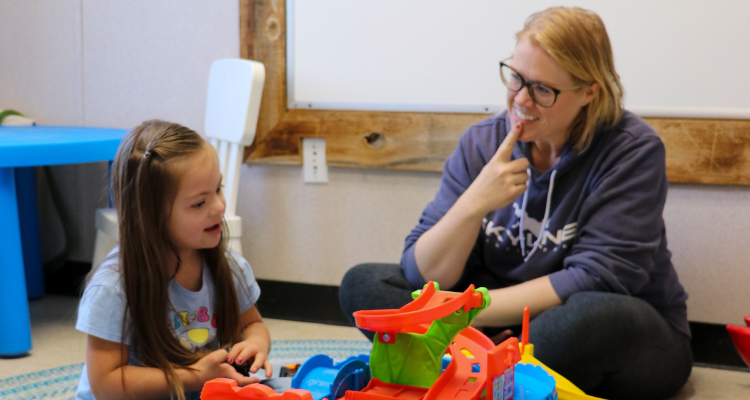
The first appointment is centered on understanding, not labeling. Children and caregivers meet with a therapist who takes time to listen, observe, and learn about the child’s routines, strengths, stressors, and goals. We explore school experiences, friendships, and family dynamics to understand the child’s world in context.
Younger children may participate through play, art, or storytelling. Older children and teens may talk more directly or reflect through conversation. Throughout the session, we prioritize safety, comfort, and confidentiality.
By the end of the appointment, we develop a personalized therapy plan that reflects both the child’s needs and the family’s values. Recommendations are explained in clear language, and families are invited to ask questions and give input at every step.
This is a collaborative process. Children are treated as whole people, not symptoms and families are partners in care.
Take the First Step Toward Emotional Well-Being
Every parent wants to see their child happy, confident, and able to handle life’s challenges. But when big emotions start to take over, whether it shows up as worry, anger, withdrawal, or sudden changes in behavior, it’s hard not to wonder if they’re carrying more than they can manage on their own.
When emotional or behavioral challenges begin to interfere with life at home, school, or in relationships, early support can make a meaningful difference. Mental health therapy can help children develop coping skills, build resilience, and strengthen confidence, creating a foundation for long-term emotional well-being. It’s not too early, our mental and behavioral health services start at 18 months to provide early support. Early intervention makes changes easier, faster, and limits the negative effects a child’s challenges have on their relationships with those around them.
Contact Strides Pediatric Therapy to schedule a mental health therapy appointment for your child.